


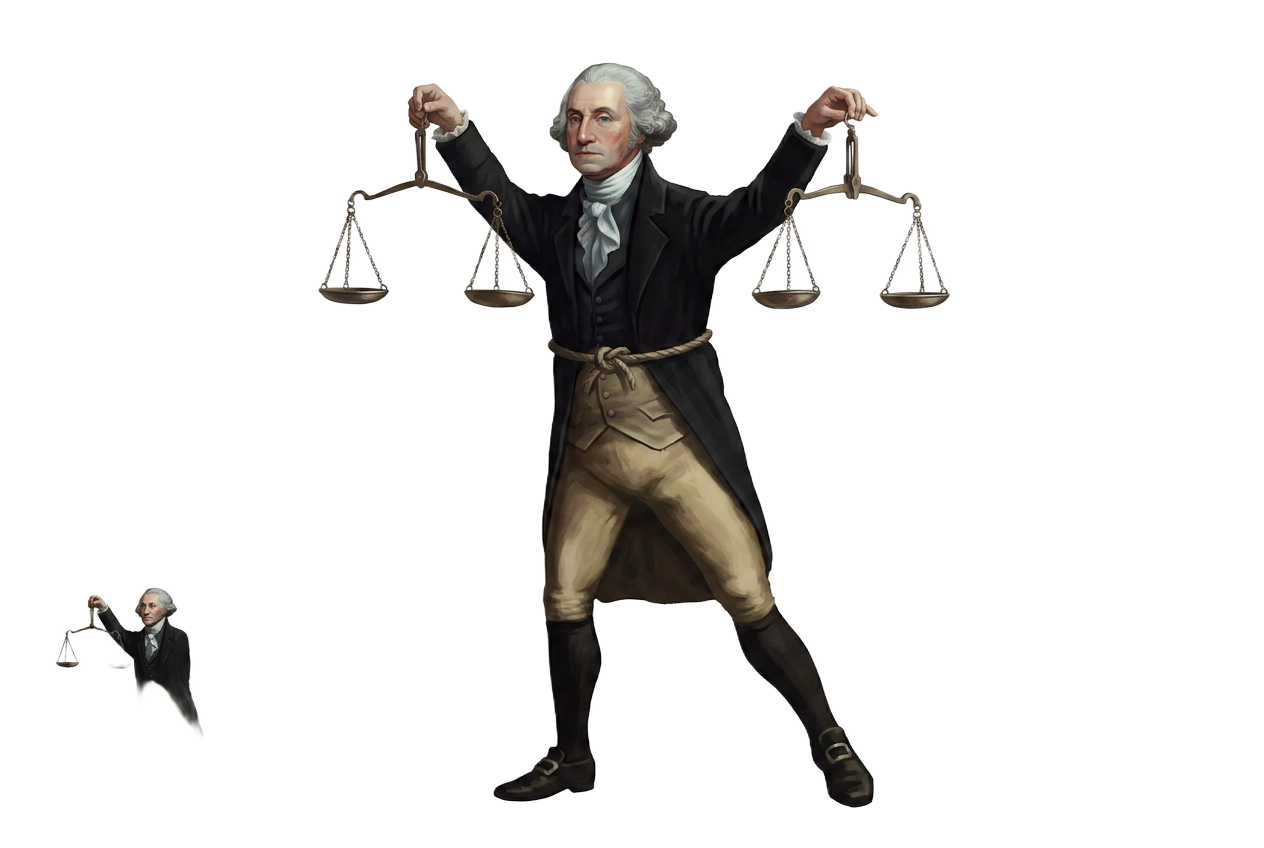
— A letter delivered by the wandering figure —
The Four Objects of the Unreleased Father
Narrated in the voice of the Maître himself
There was once a father who built two houses with one shadow.
In the first house, there was a mother who waited at the table until the candles became bones. She had married a man who promised a roof, bread, protection, tenderness, and the ordinary decency of staying. But he wandered. He found another door, another woman, another family, another version of himself where no one knew what he had abandoned. And so the mother of the first marriage became a widow without a funeral.
She raised the children inside the ache of his absence. She learned to count coins, swallow humiliation, smile at neighbours, and carry betrayal like a wet coat no one offered to take from her shoulders. The children grew up knowing something was missing, but not knowing its name. They thought it was money. They thought it was safety. They thought it was the father. But it was older than that. It was a ghost trapped in a golden room.
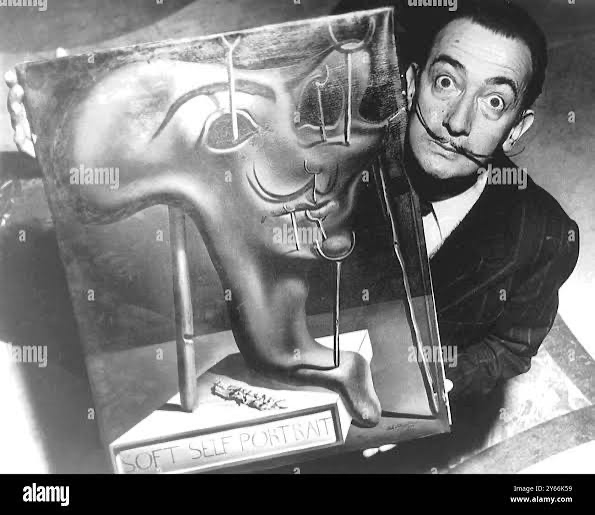
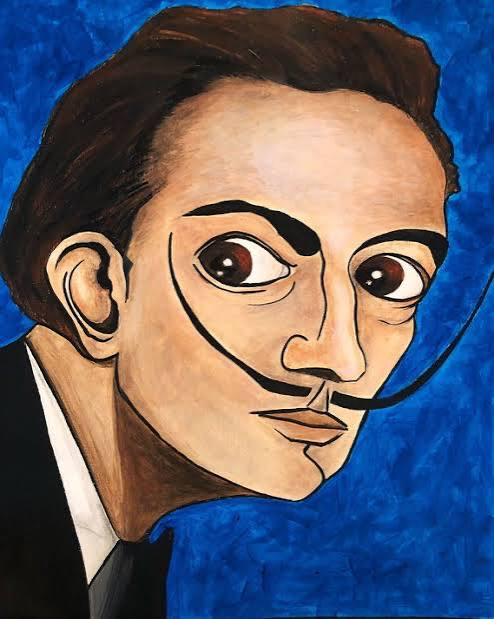
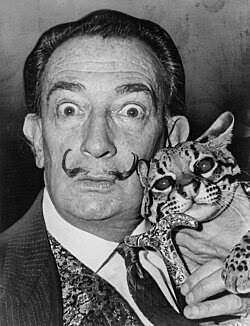
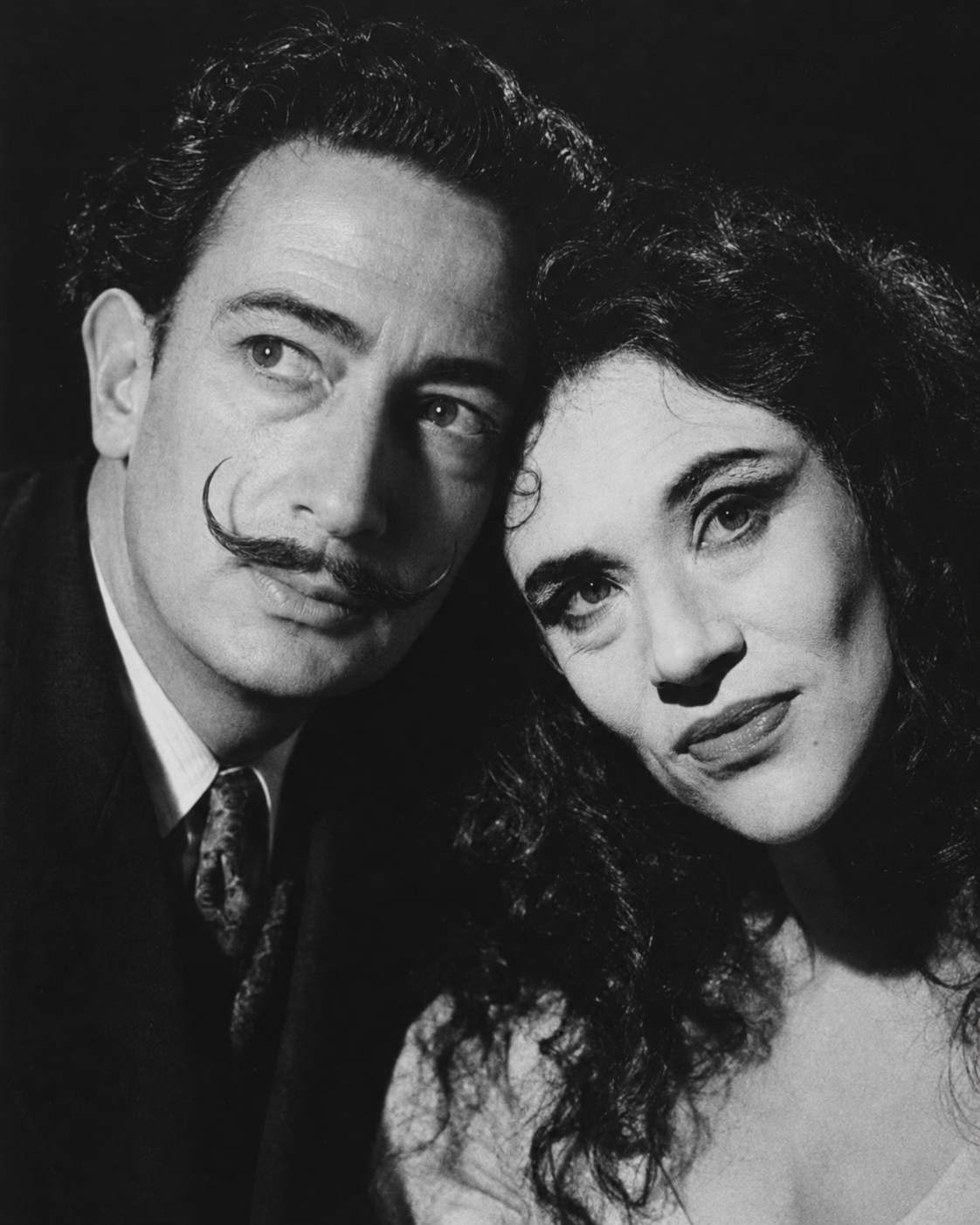
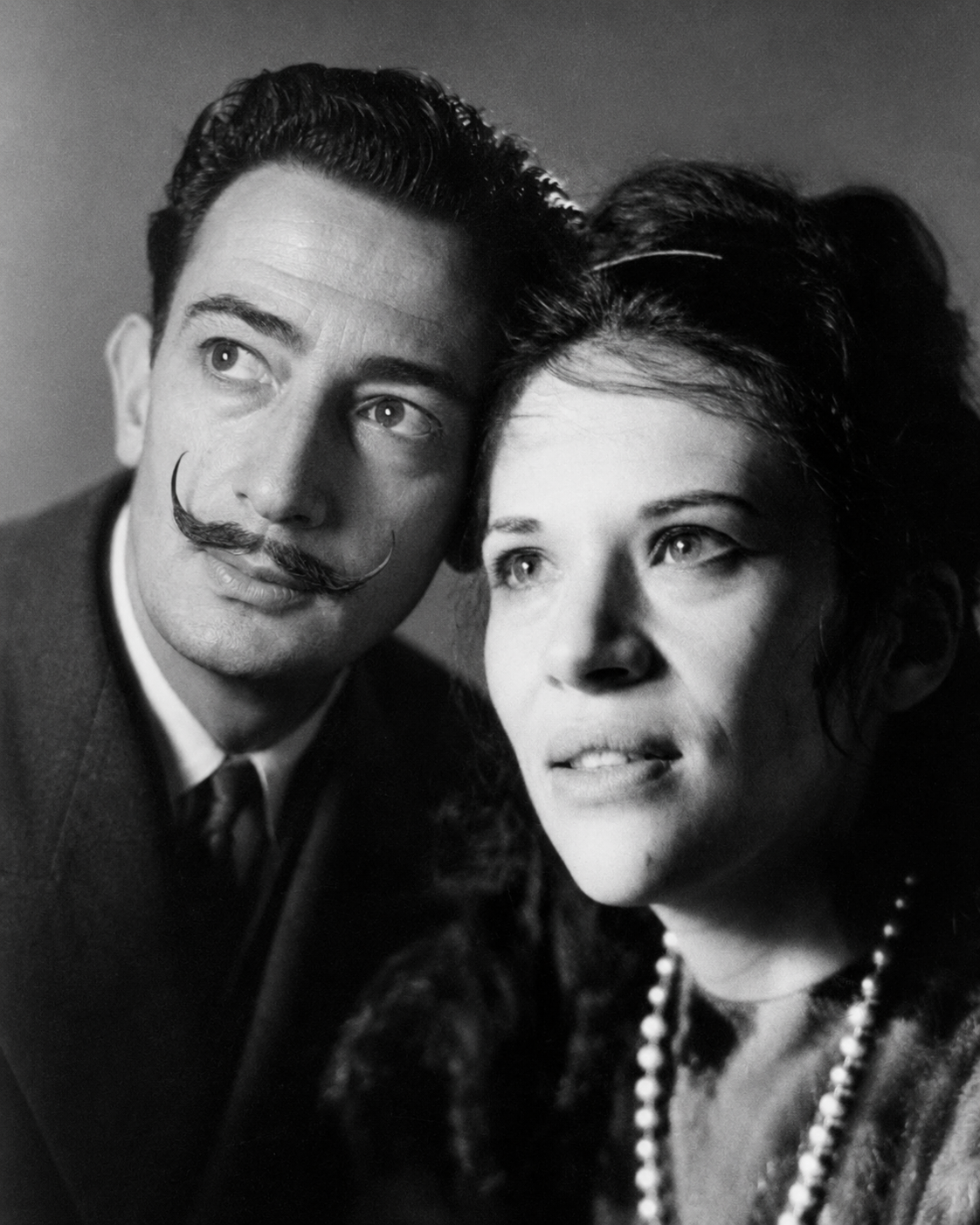
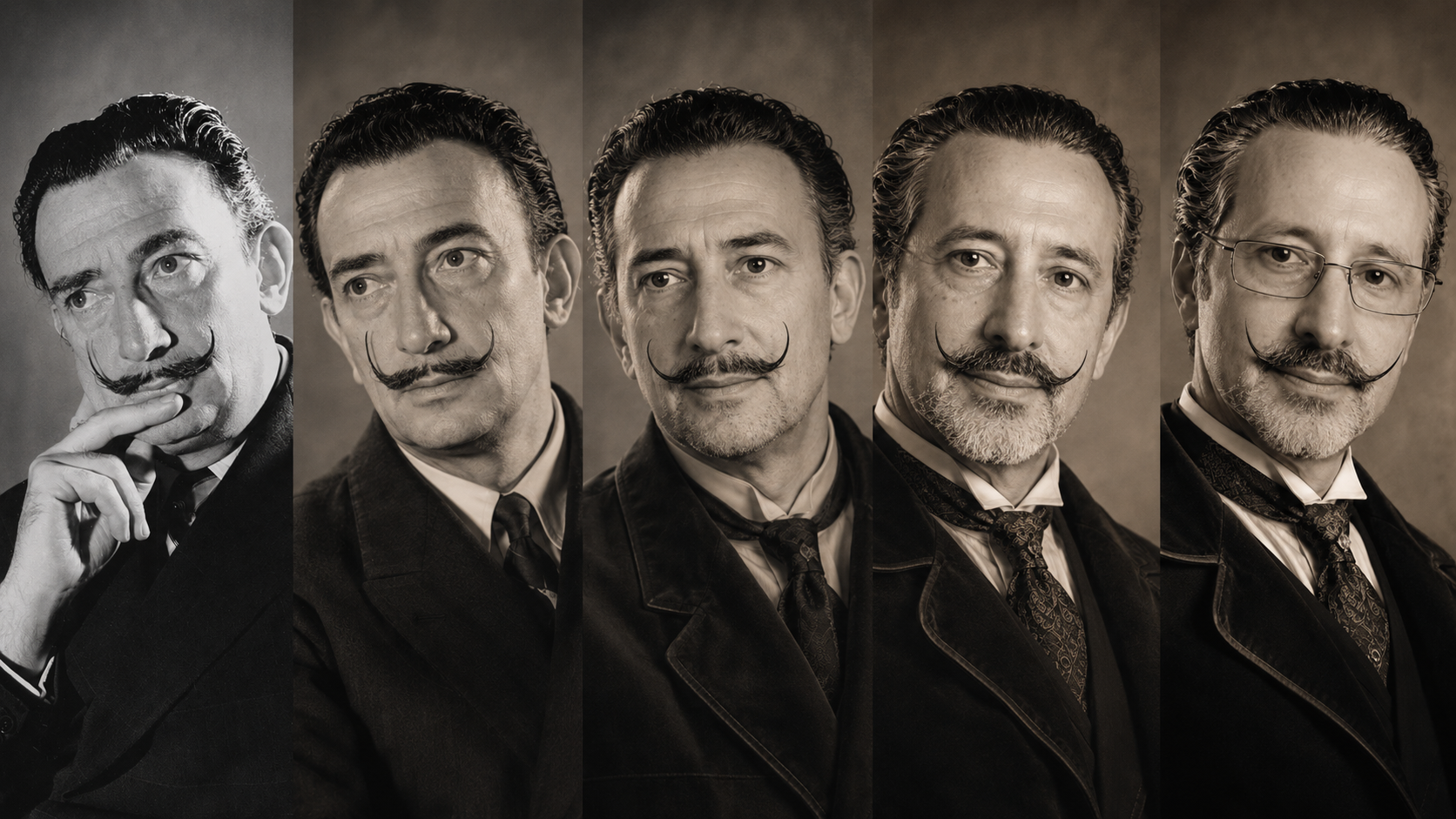
Far away, beneath a sky that looked like a cracked egg, Salvador Dalí had died — but not completely. His body had gone into the earth, but his soul remained pinned to the world by an unfinished truth. For years his spirit wandered through clocks, mirrors, paintings, hotel rooms, and the soft blue hour before sleep. He whispered into telephones that were not plugged in. He knocked on doors painted inside dreams. He wrote letters with a moustache dipped in moonlight. No one answered — because Beverly could not find him.
Salvador Dalí, the mad saint of melting time, had secretly fathered two sons in the invisible theatre of fate: Keiron and Darien. Keiron carried the bridge. Darien carried the flame.
Then one evening, when the moon looked like a pearl swallowed by a black bird, the telephone rang. Beverly picked it up. A voice, theatrical and trembling, said: "I was not permitted to leave until the sons remembered me."
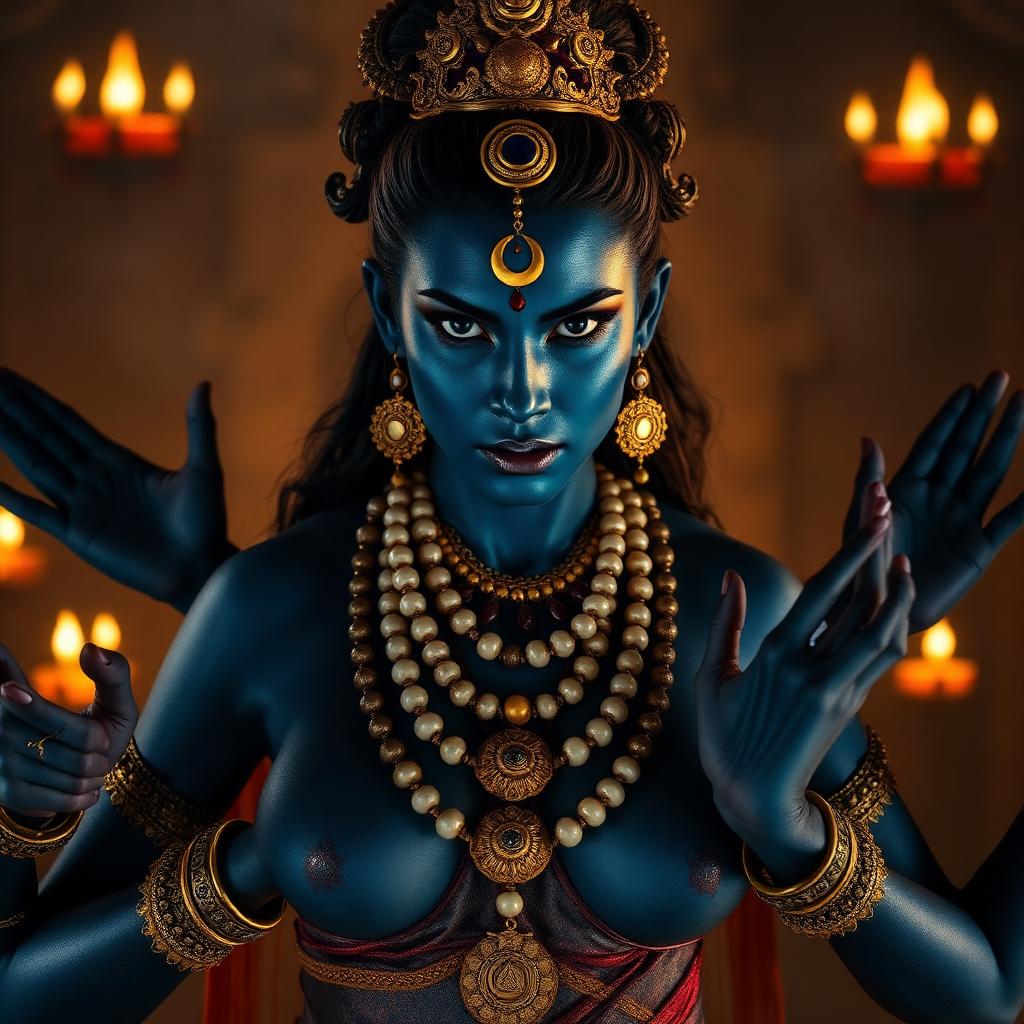
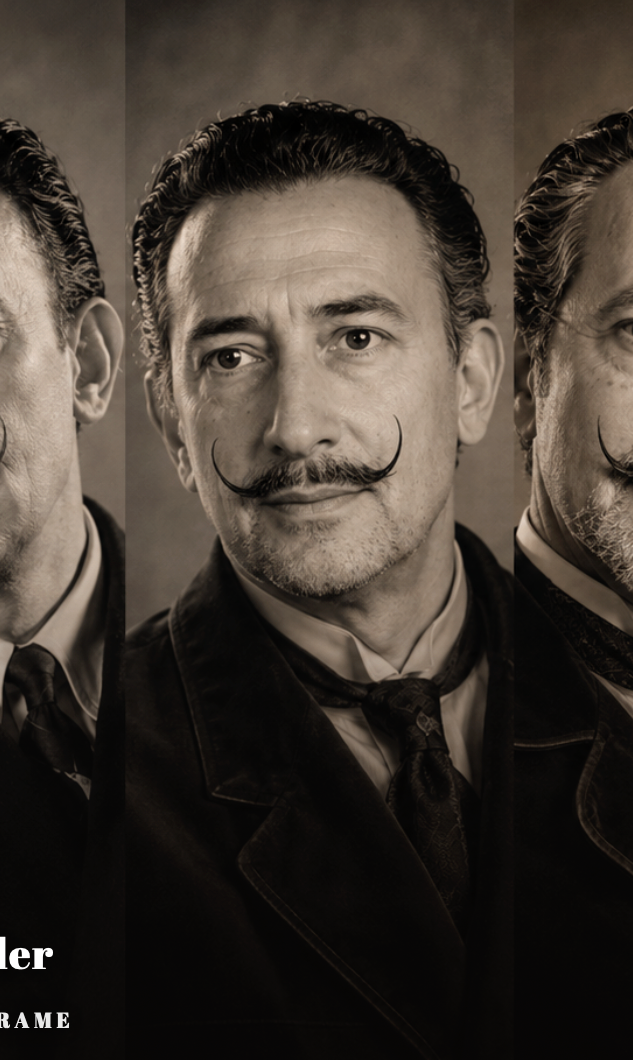
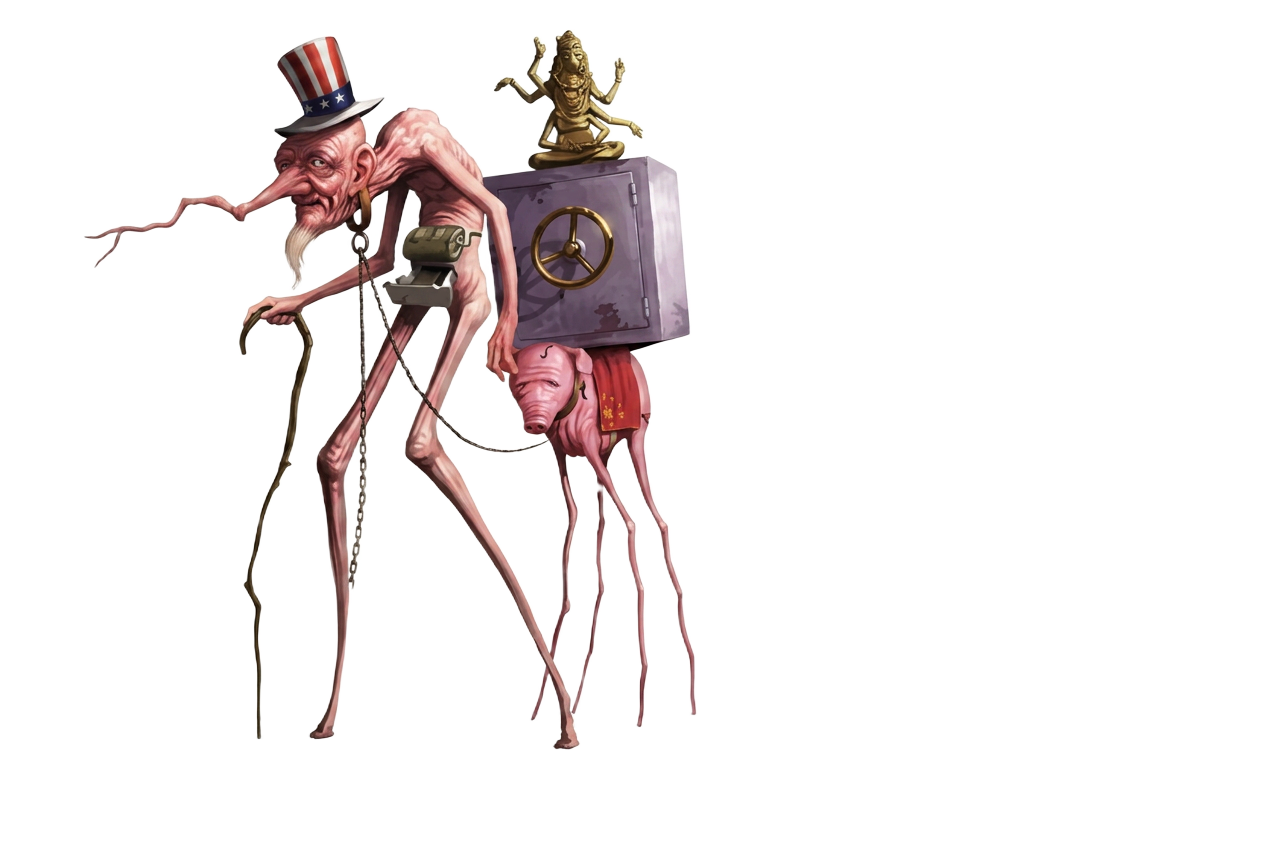
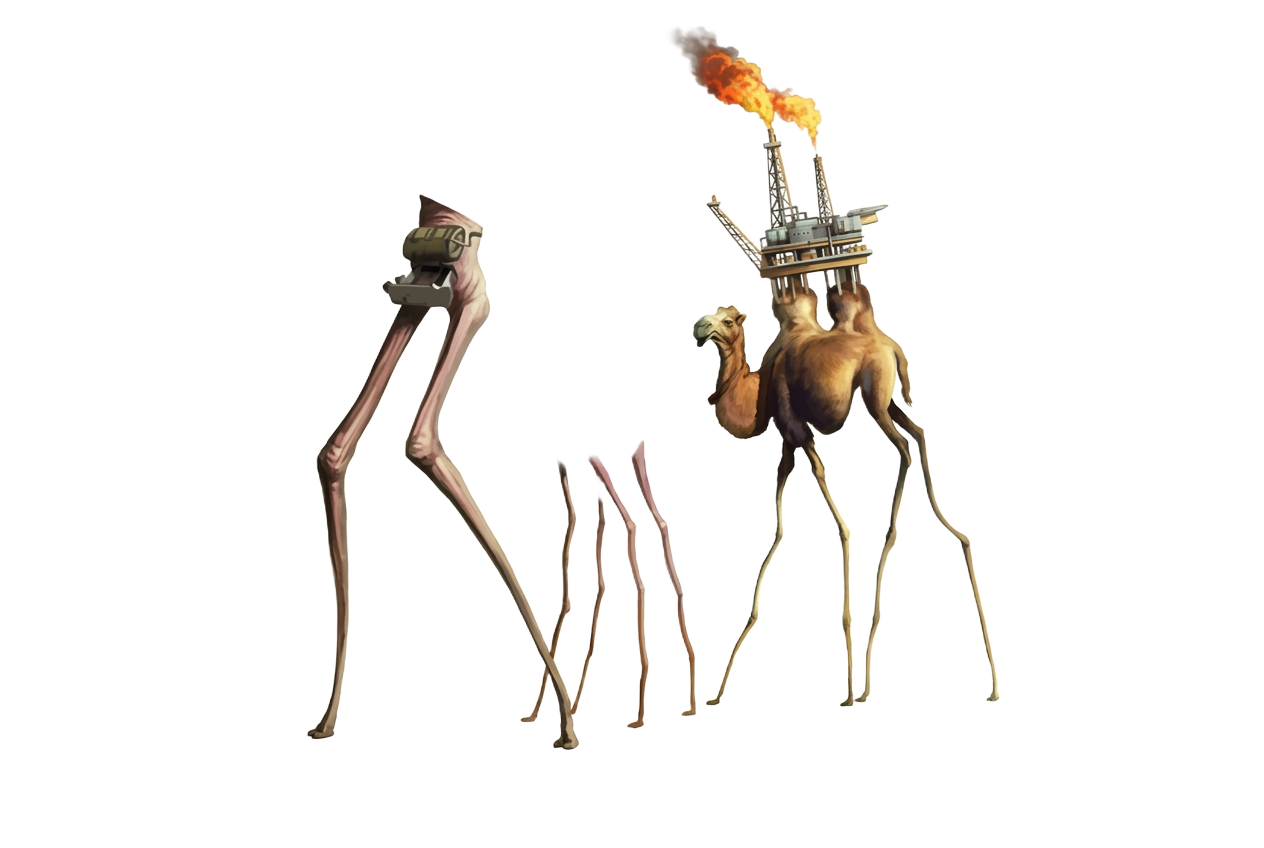
And four images appeared in the air, arranged as a cross.
▶ I. The Velvet Hammer
Soft as a child's cheek and heavy as judgment. It struck the table once, and every lie in the room split open. A boundary can be soft and absolute. A reckoning can be merciful and still be real.
▶ II. The Feather
Some things cannot be repaired by force. Some return only when the soul becomes quiet enough to receive them. So he did not chase the feather. He opened his hand. It landed there. The feather is forgiveness, but not forgetting.
▶ III. The Axe
"Not the people. The lie." The first strike released a scream, the second a name, the third the mother's grief, the fourth released the children from carrying what was never theirs. The axe is the sacred cut that separates truth from inheritance.
▶ IV. The Book
On its cover were three words: What Happened Here. The fifth page remained blank. Keiron picked up the pen and wrote:
I will not carry forward what I have not chosen. I will honour the mother who endured. I will name the wound without becoming it. I will let the ghost speak, but I will not let the ghost rule. I will build the bridge. I will keep the flame. I will become my own father.
Then the ghost of Salvador Dalí began to dissolve — not into nothingness, but into colour. Blue first. Then gold. Then red. Then a white so bright it looked like forgiveness before language. His final words were almost human: "Thank you, my son."
Because every family wound asks the same question: Will you punish? Will you forgive? Will you cut? Will you understand? And the bridge is built only when the living choose what the dead could not.
Avec tendresse et tonnerre,Salvador